1. Look at Your Leaves Every Morning
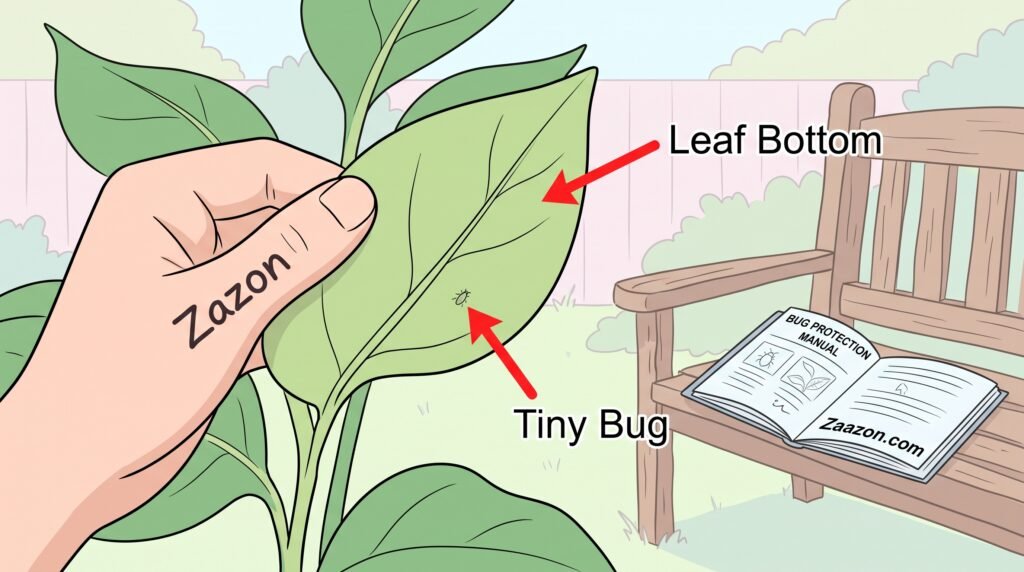
The best way to catch bad bugs early is to look at your green leaves every day while you water them.
Walk around your garden in the morning sun. Turn the soft leaves over with your fingers. Look for small dots, tiny eggs, or little holes. When you find bugs early, you can take them off before they call their friends.
2. Pick Big Bugs Off with Your Hand
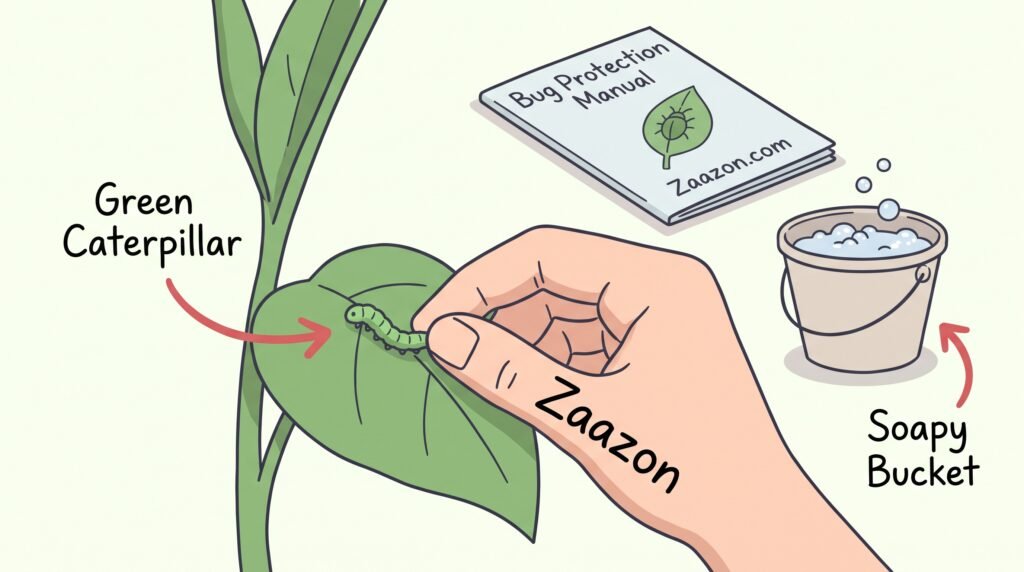
Some bugs are big and slow, like big green caterpillars or brown beetles. You do not need spray to catch them.
Put on a pair of garden gloves or use your fingers. Gently pick the bug off the leaf and drop it into a bucket of warm soapy water. The soap stops them right away, and your plant stays happy.
3. Spray Leaves with Mild Soap Water
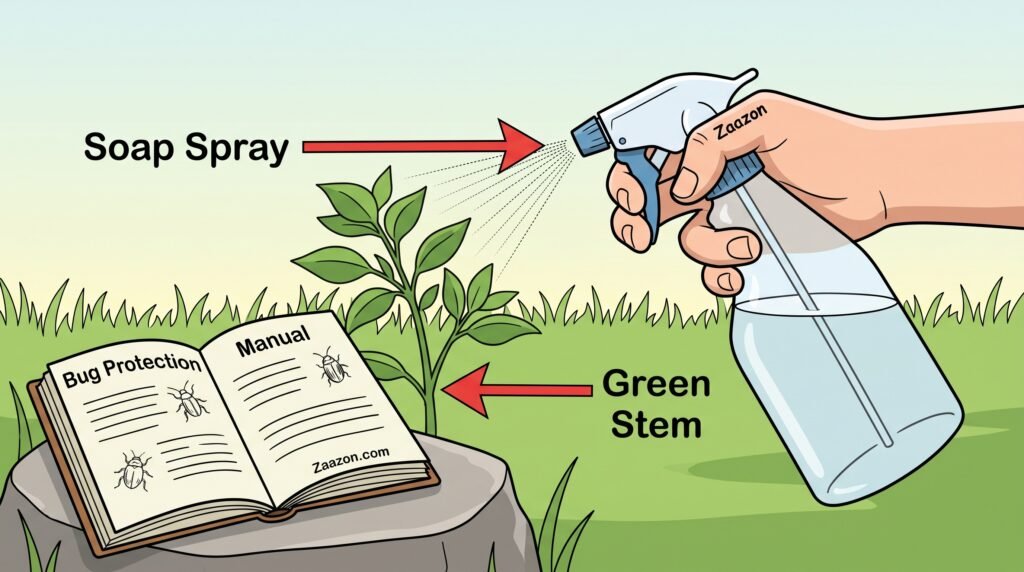
Tiny soft bugs like to hide on stems and drink plant juice. Simple soap water washes them away fast.
Mix one small spoon of liquid soap into a spray bottle filled with warm water. Spray the soap water gently on the tops and bottoms of the leaves. The soap makes the bugs slide off and fall onto the ground.
4. Spray Natural Neem Oil on Plant Stem
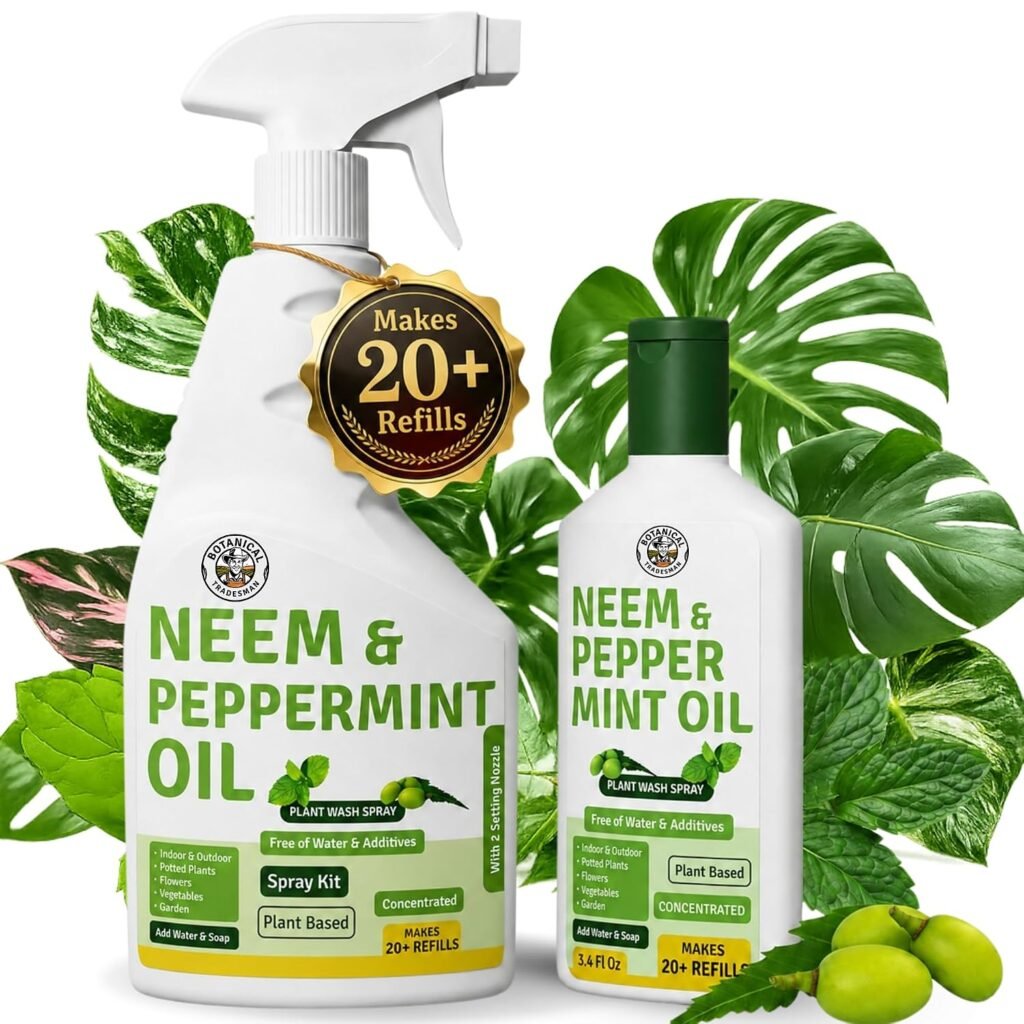
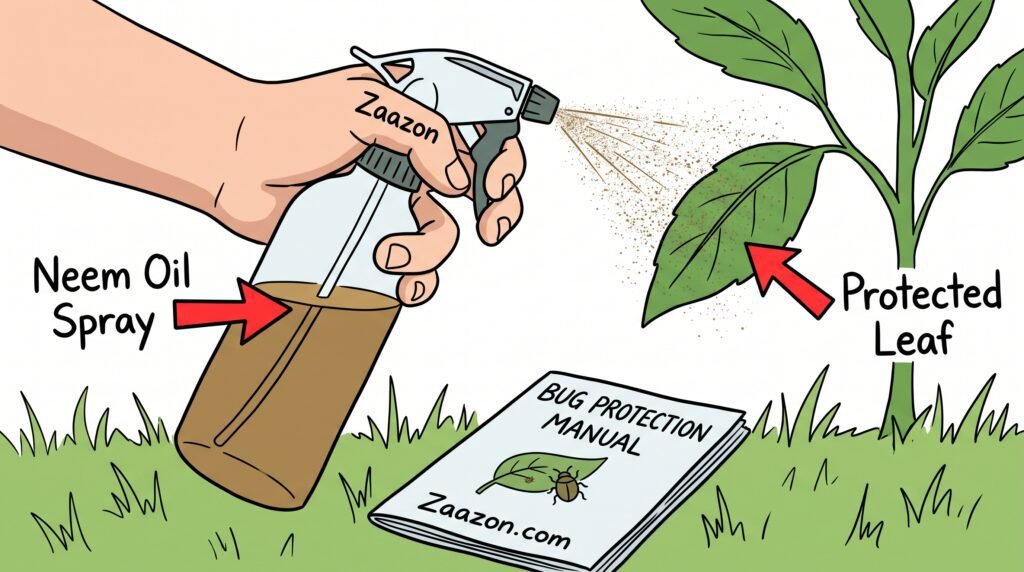
Neem oil comes from seeds of a green tree. Bugs hate the taste of it and stop eating your leaves.
Mix a few drops of natural neem oil in a bottle of warm water. Spray it over your plant leaves once every week in the late afternoon. When bugs bite the leaf, they do not like the taste and fly away.
5. Hang Bright Yellow Sticky Paper Traps
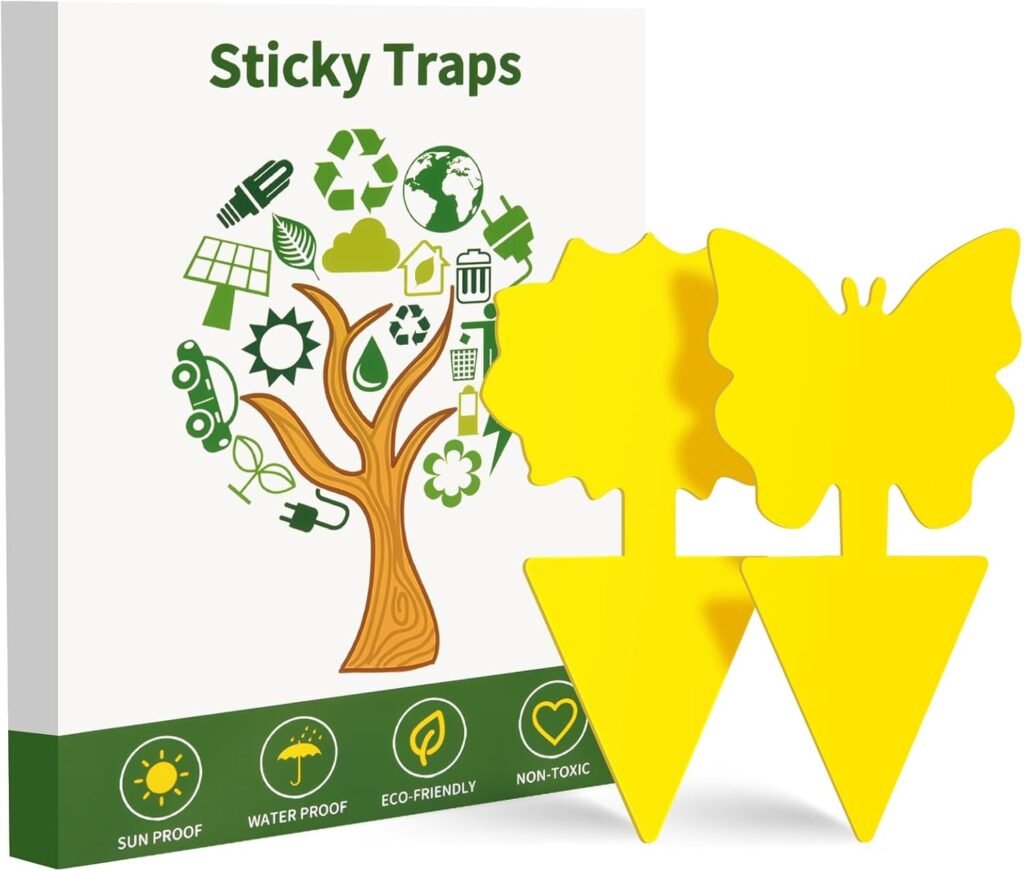
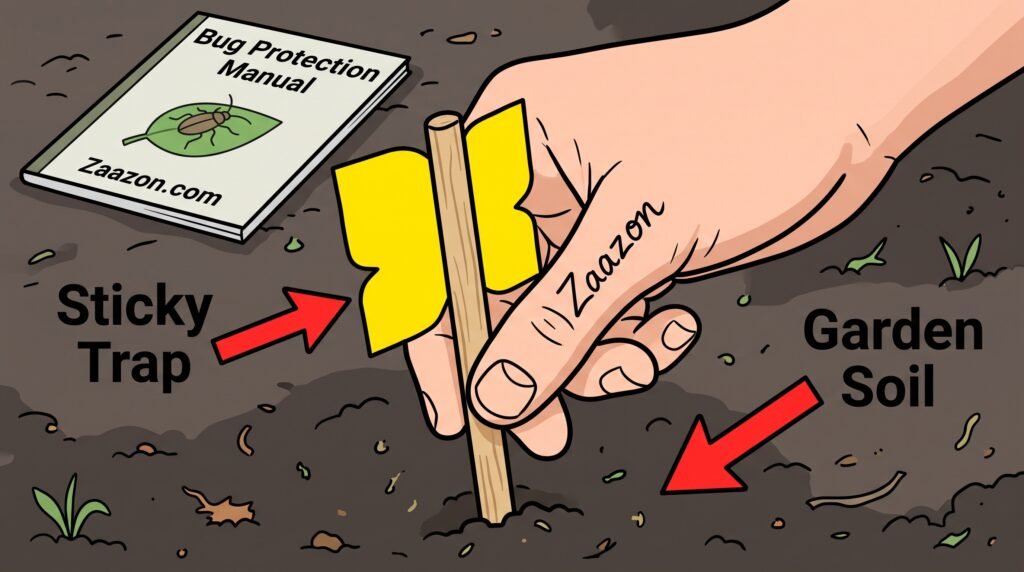
Flying bugs love bright yellow colors. They see yellow paper, fly to it, and get stuck on the safe glue.
Hang small yellow sticky cards on wooden sticks near your plants. Flying bugs like tiny gnats will see the yellow card and land on it. This keeps them from laying eggs on your soft soil.
6. Cover Young Plants with Soft Netting
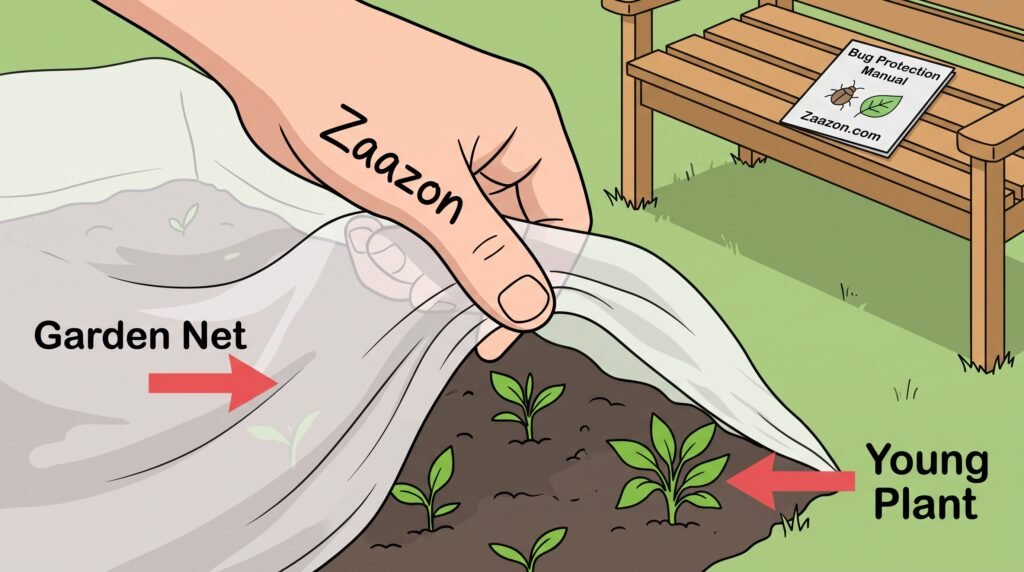
Hungry bugs and white butterflies fly around looking for young green leaves to lay eggs on.
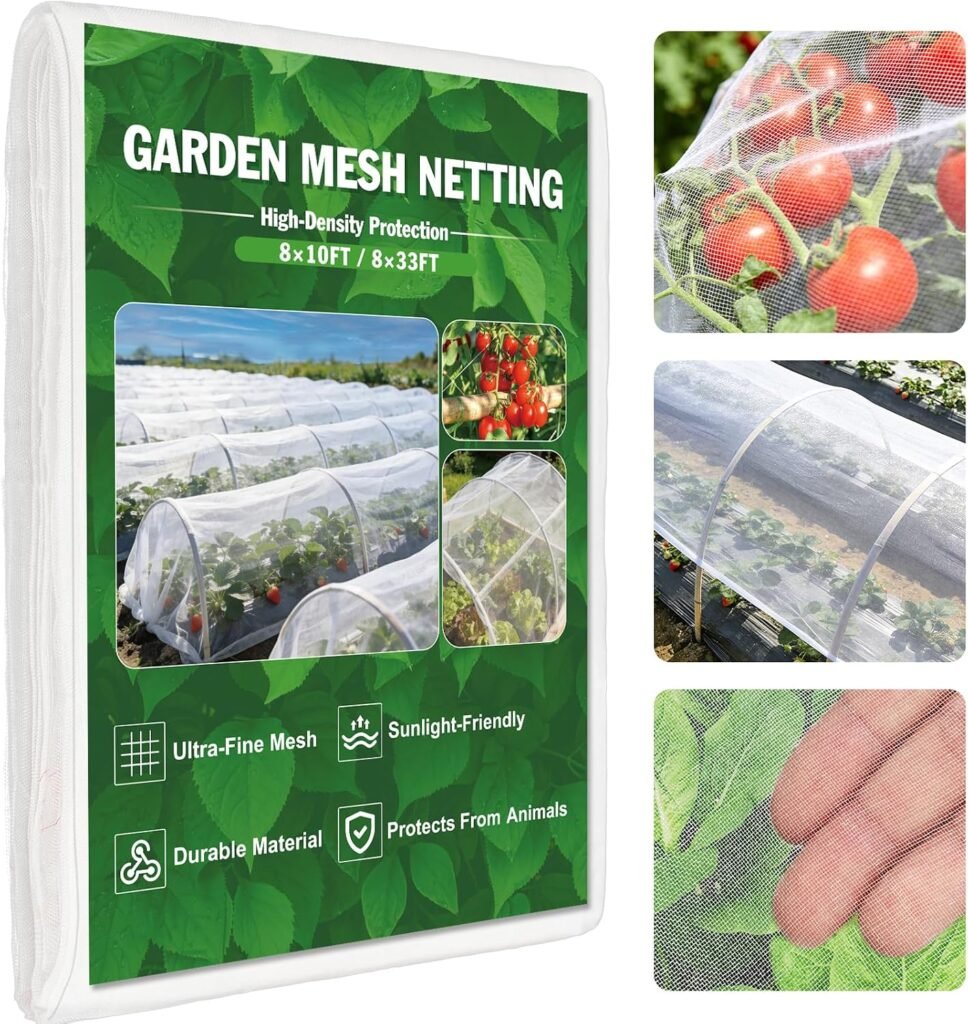
Put a lightweight white net over your plant bed. Hold the edges down with soft rocks or bricks. The sun and rain can go through the holes, but the big bugs cannot touch your young plants.
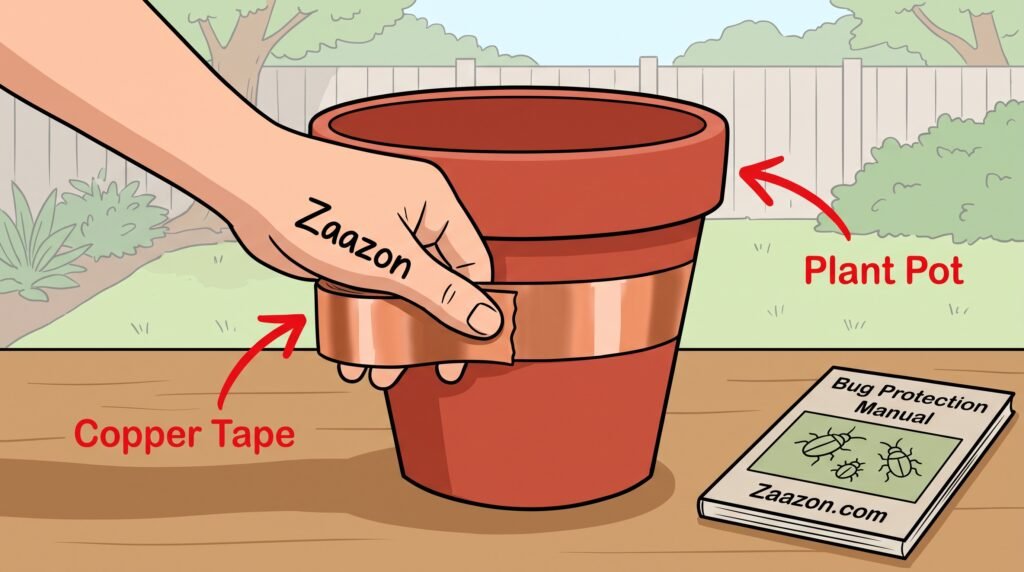
7. Put Shiny Copper Tape on Plant Pots
Slugs and snails are slow slimy bugs that love eating soft green leaves during rainy nights.
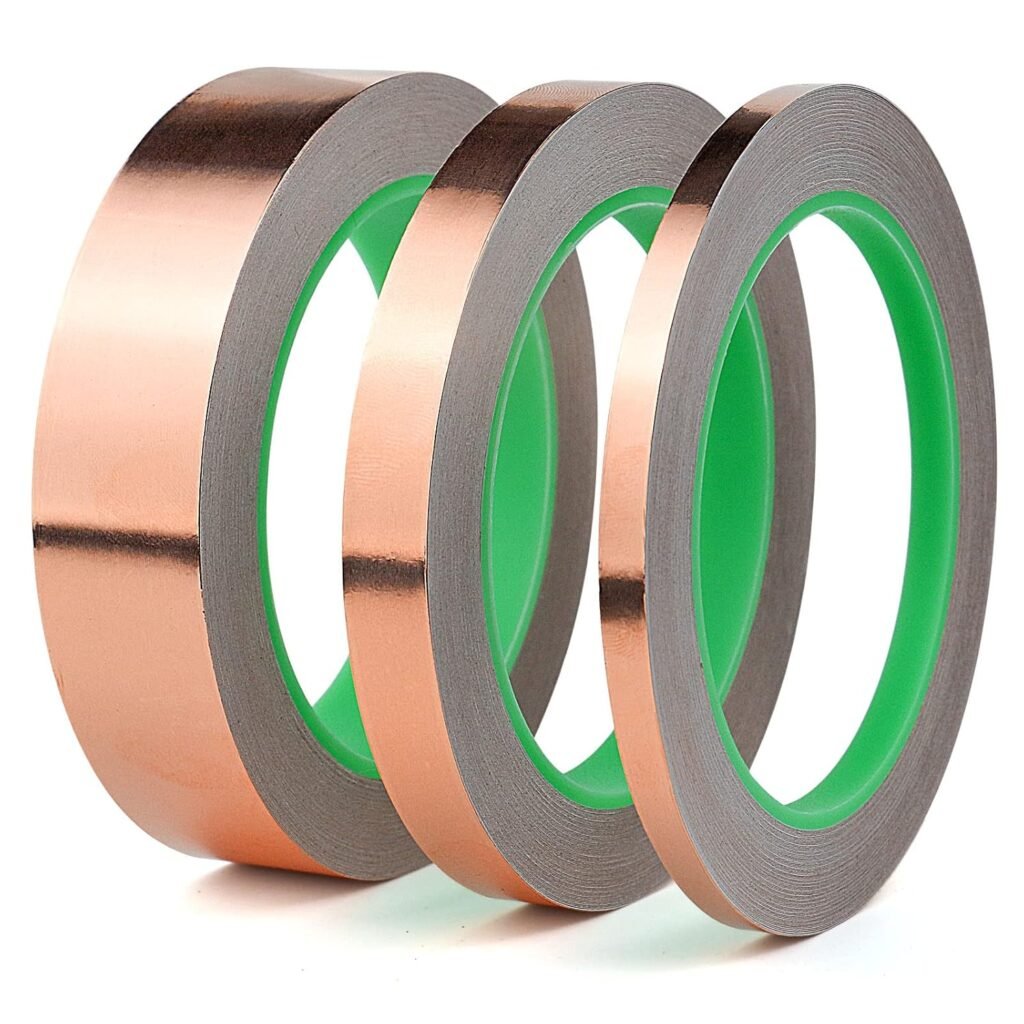
Stick a shiny band of copper tape around the outside of your plant pots. When a snail tries to crawl over the metal tape, it feels a little shock and turns right back around.
8. Sprinkle Soft White Powder Around Plants
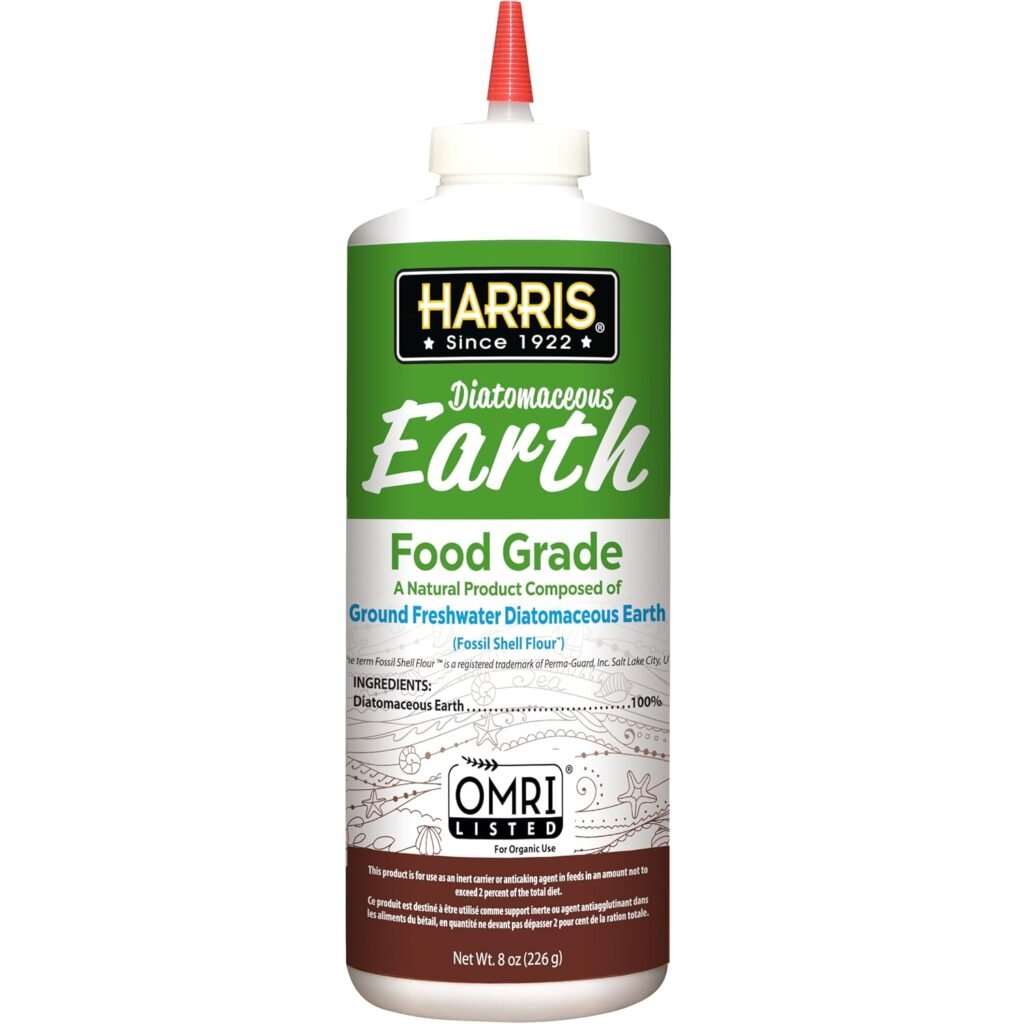
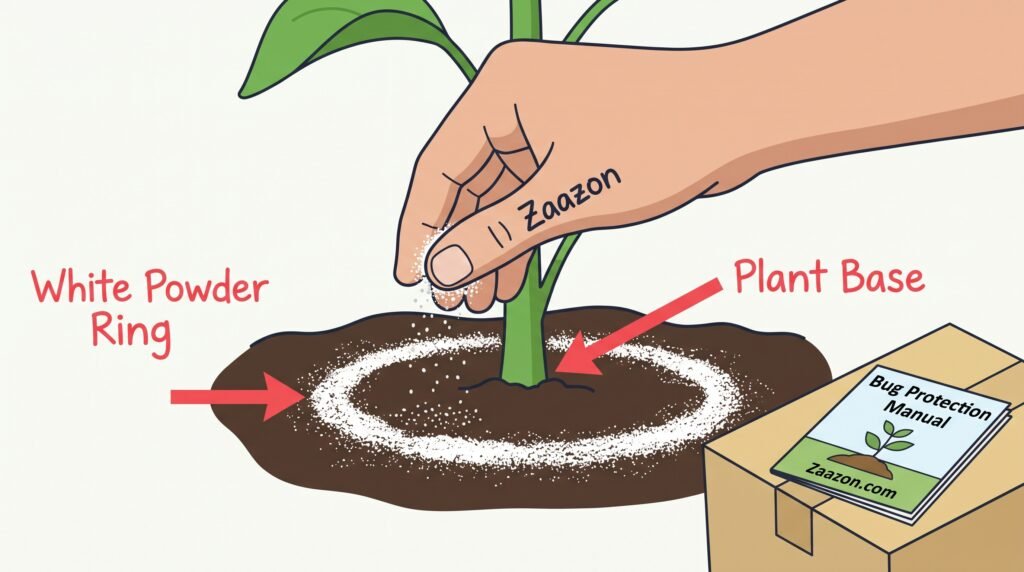
White diatomaceous powder looks like soft dust to us, but it feels sharp to crawling bugs like ants.
Take a handful of natural white dust powder and dust it over the soil around your main plant stems. Crawling bugs will not walk over the powder circle, so your plants stay safe.
9. Plant Marigold Flowers Near Vegetables
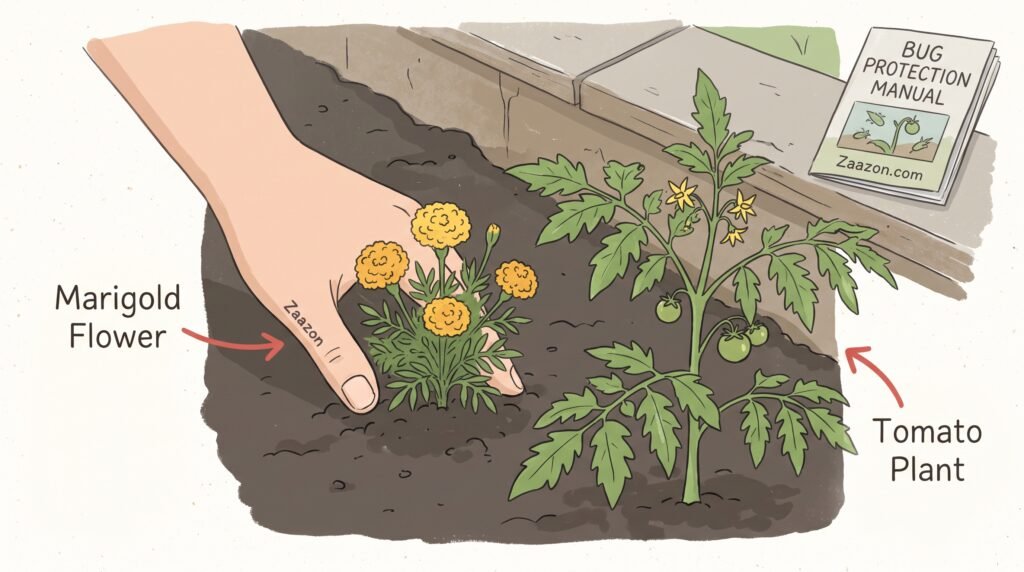
Marigold flowers are bright yellow and orange. They smell strong, and bugs do not like being near them.
Plant a row of marigold flowers right next to your tomato or pepper plants. The strong sweet smell confuses bad bugs, and they fly away to find another place to land.
10. Invite Happy Ladybugs into Your Garden
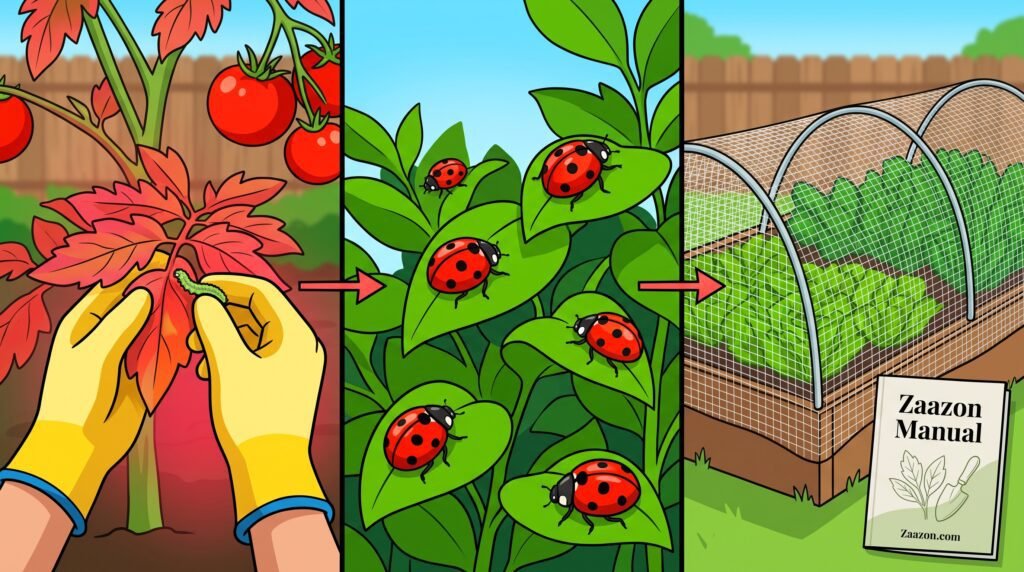
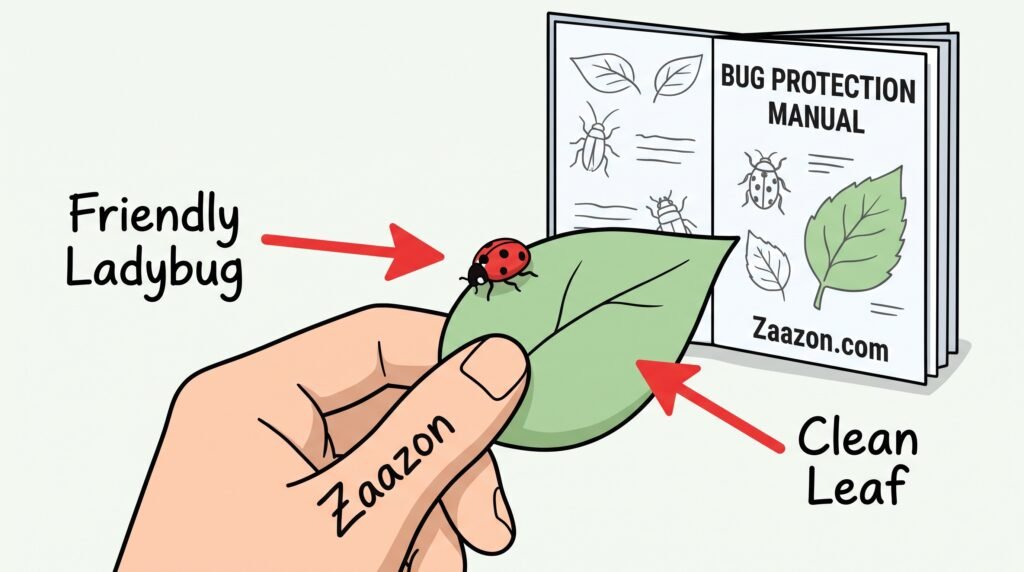
Not all bugs are bad for plants. Pretty red ladybugs are your best friends because they eat bad bugs all day!
You can buy red ladybugs or plant tiny white flowers to invite them. One little ladybug can eat hundreds of tiny bad bugs, keeping your leaves clean without any work from you.
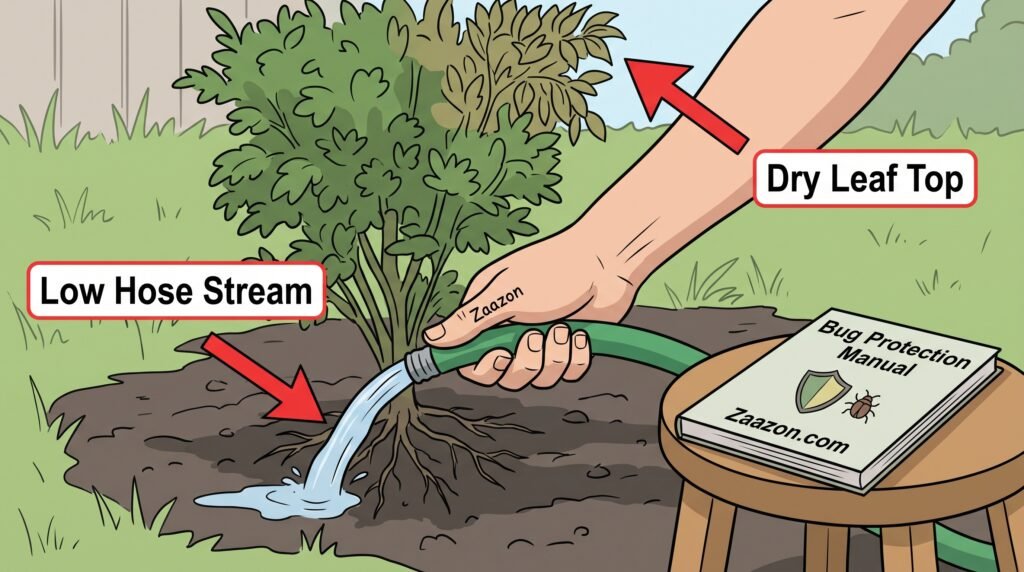
11. Water the Soil Base, Not the Top Leaves
When leaves stay wet all night, they get soft and attract hungry bugs that like wet dark places.
Hold your watering hose down low near the dirt. Water the roots deeply, but keep the top leaves dry. Dry leaves stay tough, making it hard for bugs to chew them.
12. Wash Leaves with a Cool Water Hose Blast
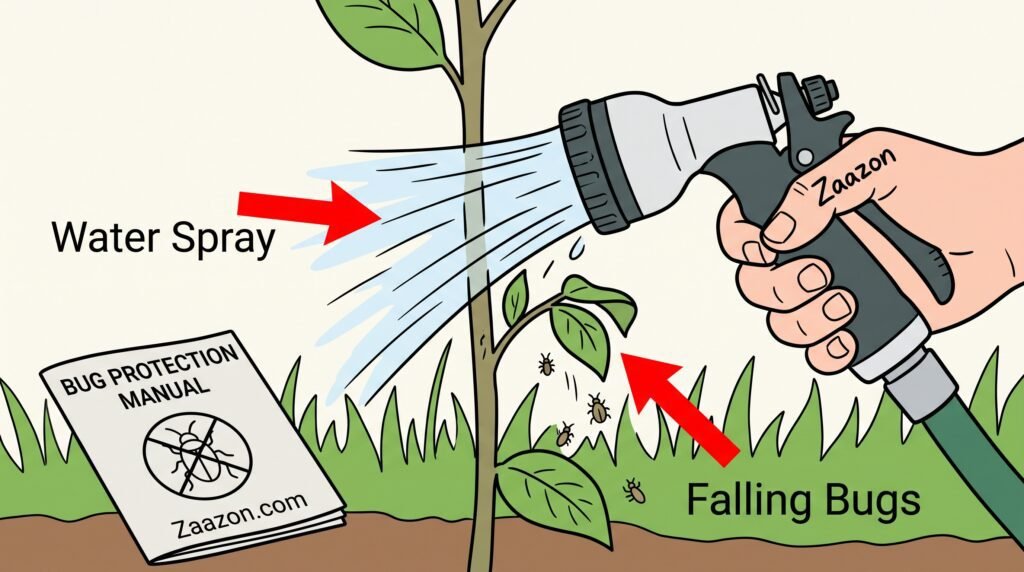
If you see a group of tiny green bugs sitting together on a stem, you can blast them off with plain water.
Turn your garden hose nozzle to a gentle spray. Aim the water stream at the bug group under the leaves. The water blast knocks the bugs off the stem down into the wet mud.
13. Pull Old Yellow Leaves off the Stem
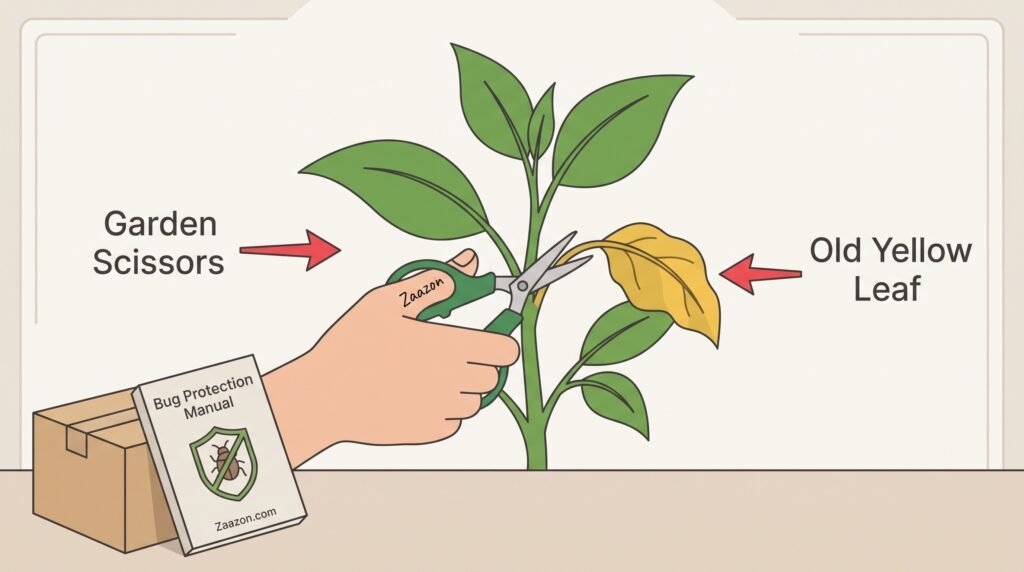
Old yellow leaves draw bugs because they are soft and easy to eat.
Take your fingers or small garden scissors and snip off any leaf that turns yellow or brown. Throw the old leaves into the trash bag so bugs do not come to eat them.
14. Give Plants Plenty of Space to Breathe
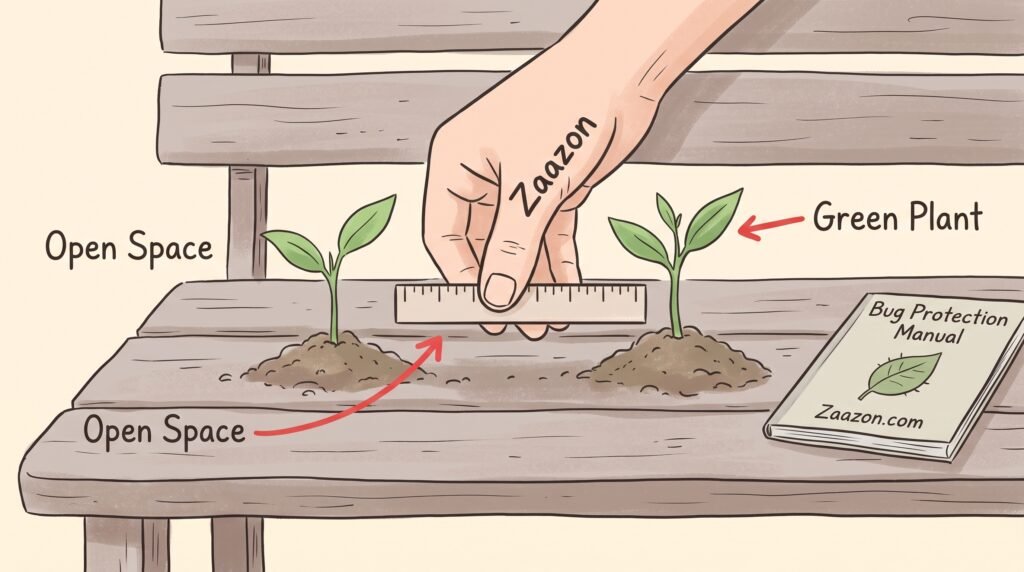
When plants sit too close together, their leaves touch and bugs can crawl easily from one plant to the next.
When planting seeds or small starter pots, leave five or six inches of space between them. Air flows smoothly between open plants, keeping leaves dry and free from bug nests.
15. Keep Garden Ground Clean of Old Food and Wood
Bugs love hiding under rotten fruit, old leaves, or damp sticks lying on the dirt ground.
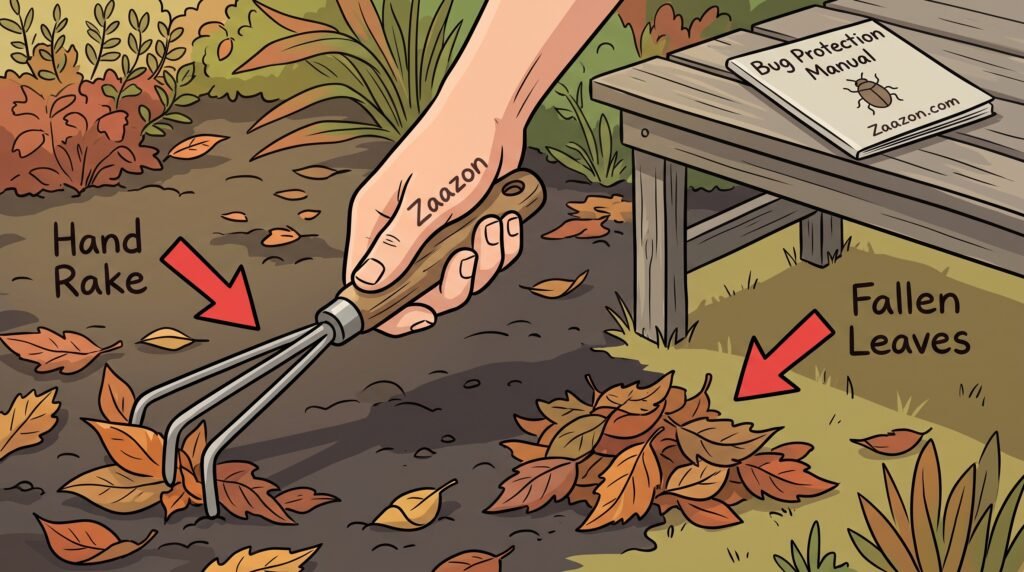
Rake your garden dirt once a week. Pick up fallen apples, dropped leaves, and old twigs. A clean garden floor gives bad bugs no place to hide or sleep at night.