1. Inspect the Water Resistance Rating First
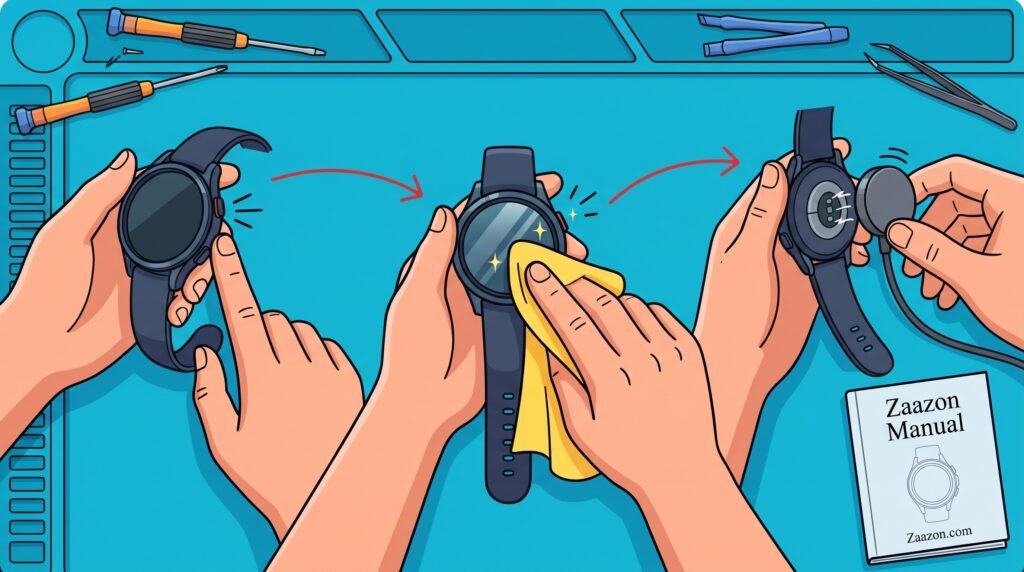
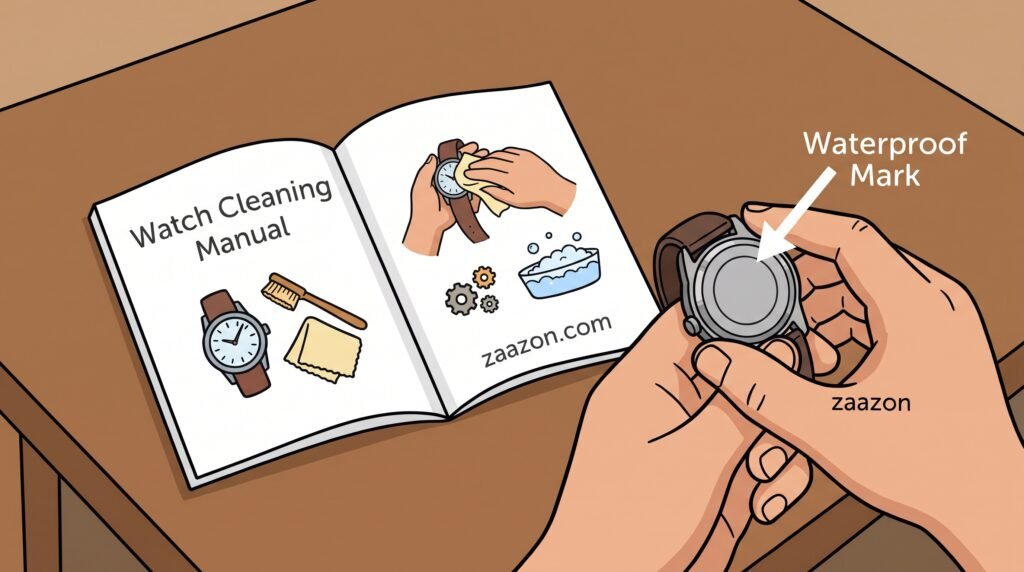
Before touching any cleaning cloth or liquid, you must check your watch back case to see if it is truly waterproof. Look for engravings like “Water Resistant” or depth ratings like “50M”; if it has no rating, it is strictly non-waterproof. Never expose a non-waterproof watch to liquid, as even a single drop can fog the glass and destroy the internal movement. Knowing your watch limits prevents expensive repair mistakes and keeps your timepiece safe. Always assume a vintage or fashion watch cannot handle liquid unless proven otherwise by manufacturer specs. Take a moment to inspect the crown position and case back carefully before proceeding. This safety check is the foundation of smart everyday watch care. Rushing into cleaning without checking water resistance is the number one cause of ruined watches.
2. Wipe Loose Dust Off the Glass Screen
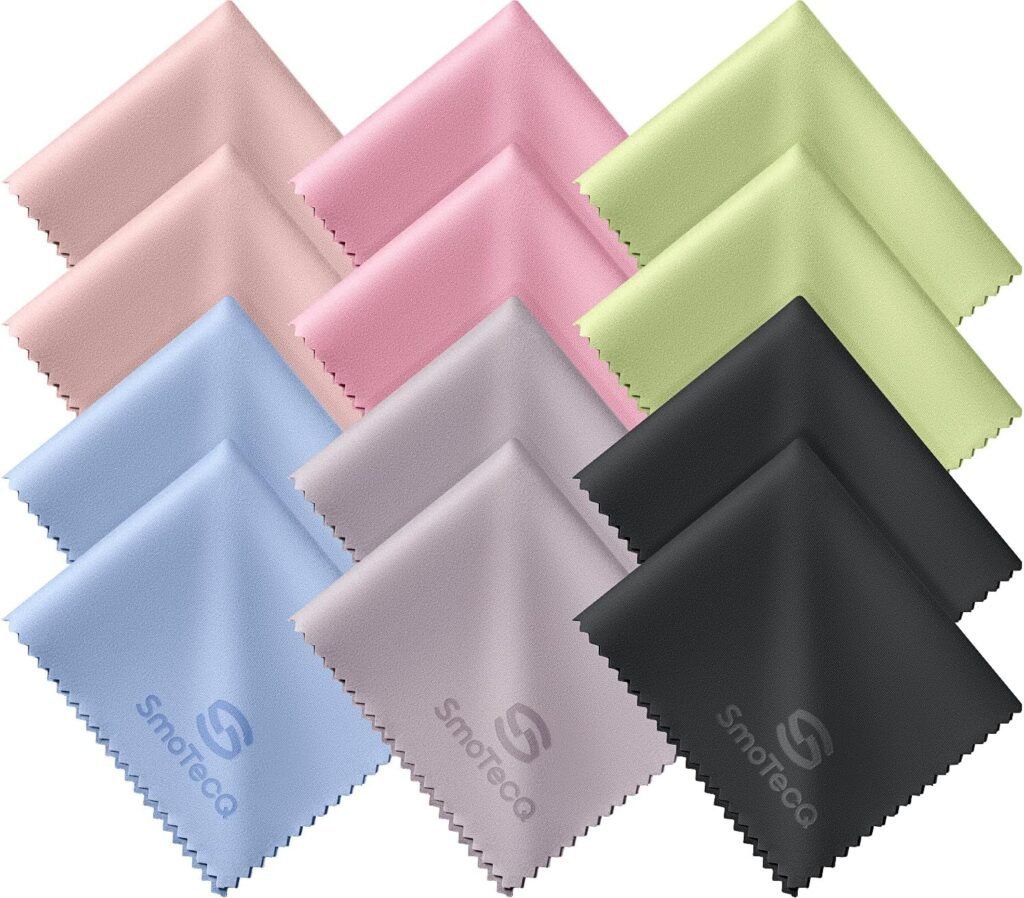
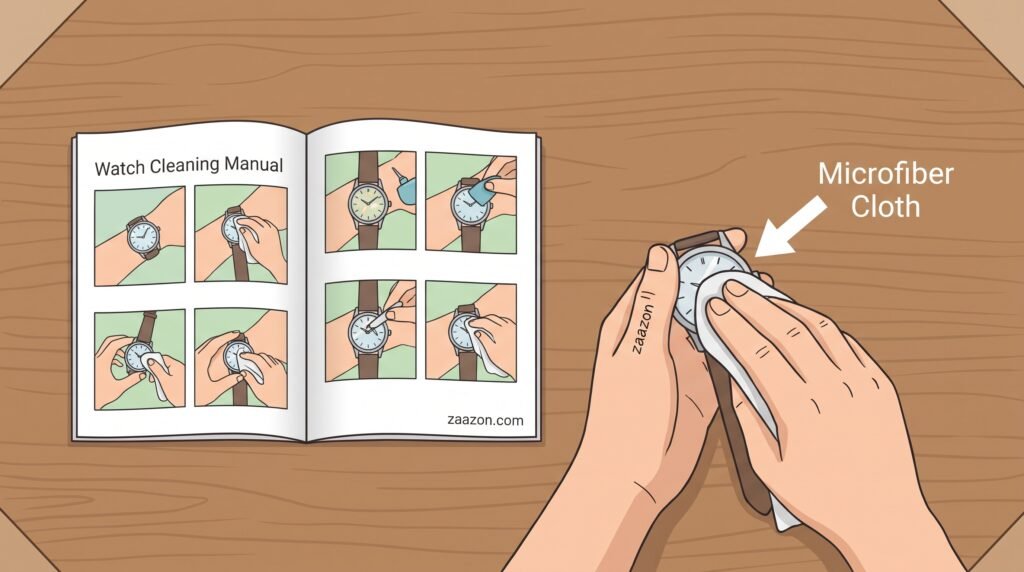
Dust and tiny sand particles act like sandpaper and will scratch your watch crystal if you rub them aggressively. Take a clean, dry microfiber cloth and gently sweep it across the front glass screen to remove loose debris. Move the cloth in one soft direction across the dial without pressing down too hard on the glass. This initial dusting step ensures that no gritty particles get dragged across your display during later wiping. Pay special attention to the edges where the glass meets the metal bezel. Keeping your microfiber cloth completely dry here prevents any muddy streaks from forming on the surface. A dust-free screen is mandatory before applying any specialized cleaning tool or cloth.
3. Remove the Watch Strap Safely
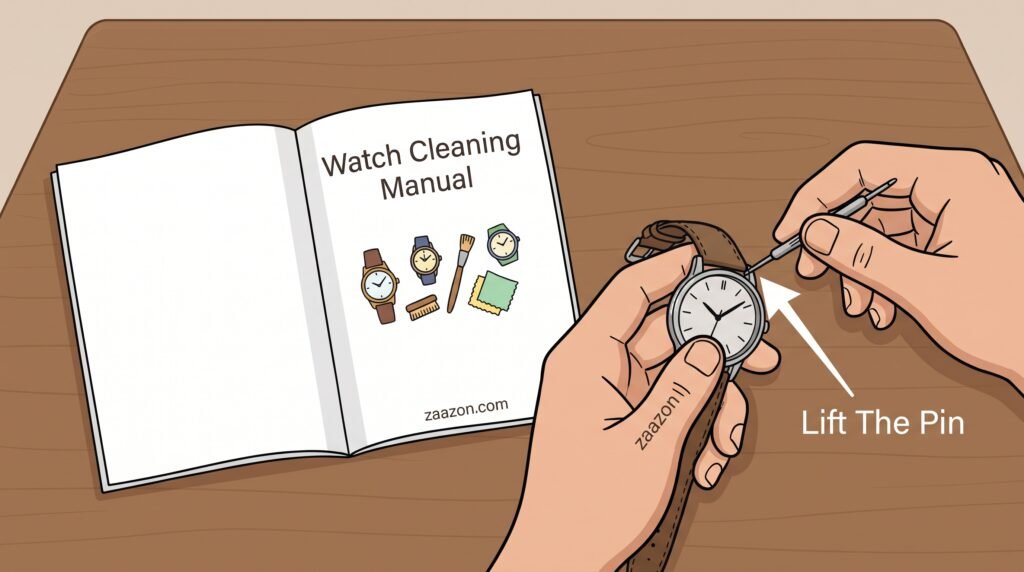
Separating the strap from the watch case makes cleaning tight corners much safer and prevents liquid from creeping near the dial. Use a proper spring bar tool or a very fine pin to release the strap lugs gently from the case. Place the tiny metal spring bars into a small secure bowl so they do not roll away on your desk. Cleaning the metal case and the strap separately allows you to reach hidden sweat and grime without awkward angles. If your watch has fixed bars or you are unsure how to remove the strap, leave it attached and clean very carefully around the edges. Taking your time during this disassembly stage protects your watch from accidental slips and scratches. Always work on a clean, soft desk mat so tiny parts remain easy to track.
4. Dry-Wipe the Metal Watch Case
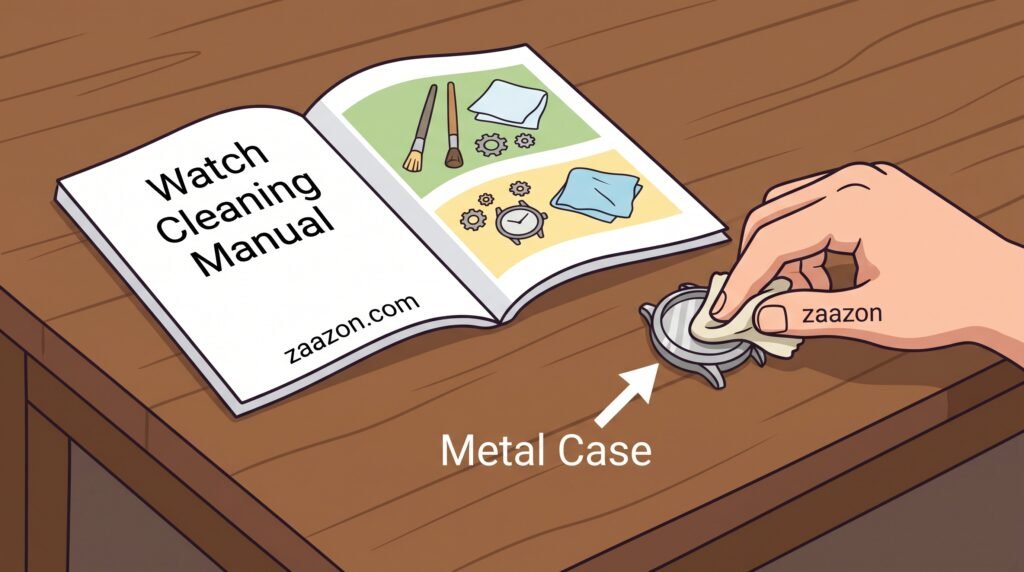
Sweat and natural skin oils accumulate heavily around the metal case back and sides during daily wear. Take a dry, soft microfiber cloth and buff the metal casing to lift away surface smudges and fresh grease. Avoid using soaking wet rags on the case unless you have verified it is a heavy-duty waterproof dive watch. Gently rub around the pushers and the crown area where dead skin cells tend to pack into tight layers. Buffing the metal dry first prevents sticky grime from turning into a wet paste that jams buttons. Inspect the case under a bright desk lamp to make sure all smudges are fading away nicely. This simple dry-cleaning habit takes less than a minute and keeps your metal case gleaming brilliantly every single day.
5. Clean Case Grooves with a Wooden Toothpick
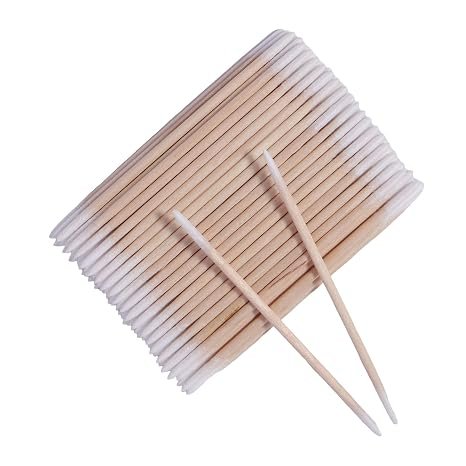
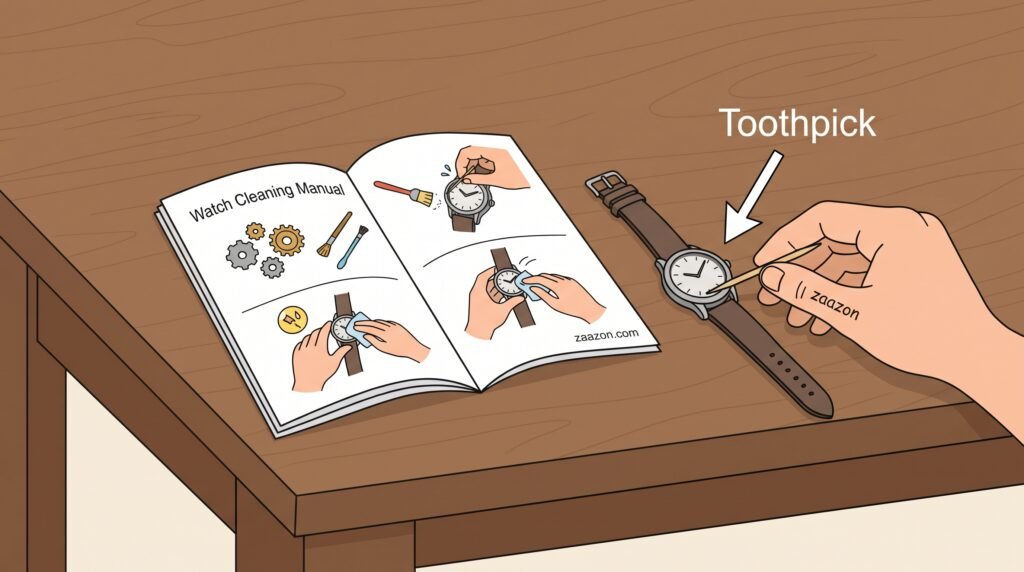
Dirt, lint, and dead skin flakes love to hide inside the tiny microscopic grooves surrounding your watch crown and bezel. Take a clean wooden toothpick and slide it very gently along these tight crevices to lift out trapped dry debris. Wood is much softer than stainless steel, ensuring your toothpick will never scratch your polished case or crystal glass. Guide the pointed tip carefully around the base of the winding crown to push out compacted dark buildup. You will be surprised at how much hidden lint comes out of these narrow gaps during this step. Wipe away any loosened particles immediately with a dry tissue so they do not fall back inside. Regular toothpick maintenance keeps your watch buttons clicking smoothly and prevents mechanical jamming over time.
6. Wipe Metal Link Bracelets Carefully
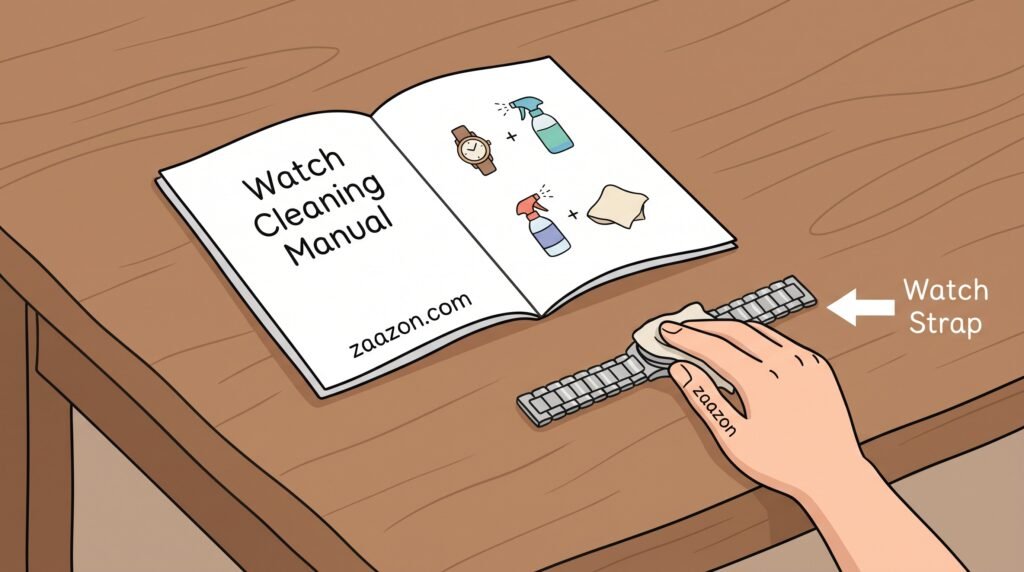
Stainless steel link bracelets collect dark paste made of sweat, dust, and body oils between their interlocking segments. Instead of soaking the whole watch, dampen a cloth slightly with a tiny drop of mild soap and wipe the bracelet. Ensure the cloth is only damp, not dripping wet, to prevent any moisture from seeping into the wrist pins. Gently rub along both the front and back surfaces of the metal links where skin contact is greatest. The damp cloth will lift away surface discoloration and restore the bright silver sheen of the steel. Rotate your cleaning cloth frequently to ensure you are lifting dirt away rather than smearing it around. This controlled wiping method cleans your bracelet thoroughly without putting the internal watch movement at risk.
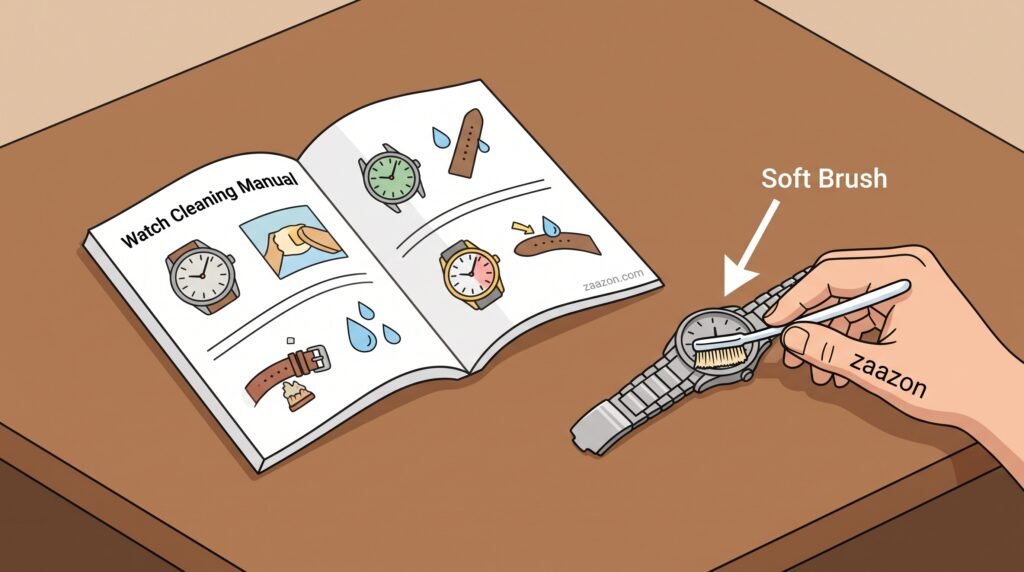
7. Scrub Link Gaps with a Dry or Semi-Dry Brush
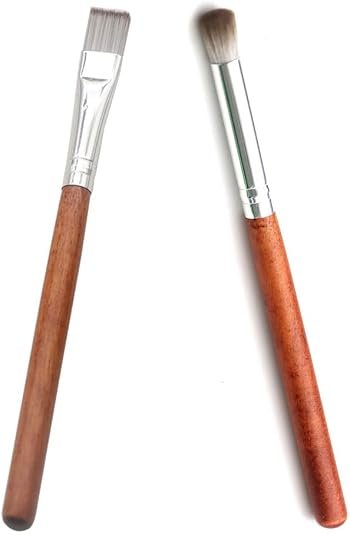
Deep link gaps require gentle mechanical action to dislodge hardened sweat residue and microscopic grime. Take a soft-bristled toothbrush and sweep it lightly across the link gaps without using excessive water. If your bracelet is detached and confirmed waterproof, you can use a tiny drop of soapy water on the brush tips. Brush in circular motions across the metal segments to sweep out stubborn debris trapped deep inside the joints. Hold the bracelet firmly so it does not slip or bend awkwardly while you scrub the links. Wipe the brushed metal immediately with an absorbent towel to capture all the loosened particles. This brushing technique brings back the original factory sparkle of stainless steel bracelets instantly.
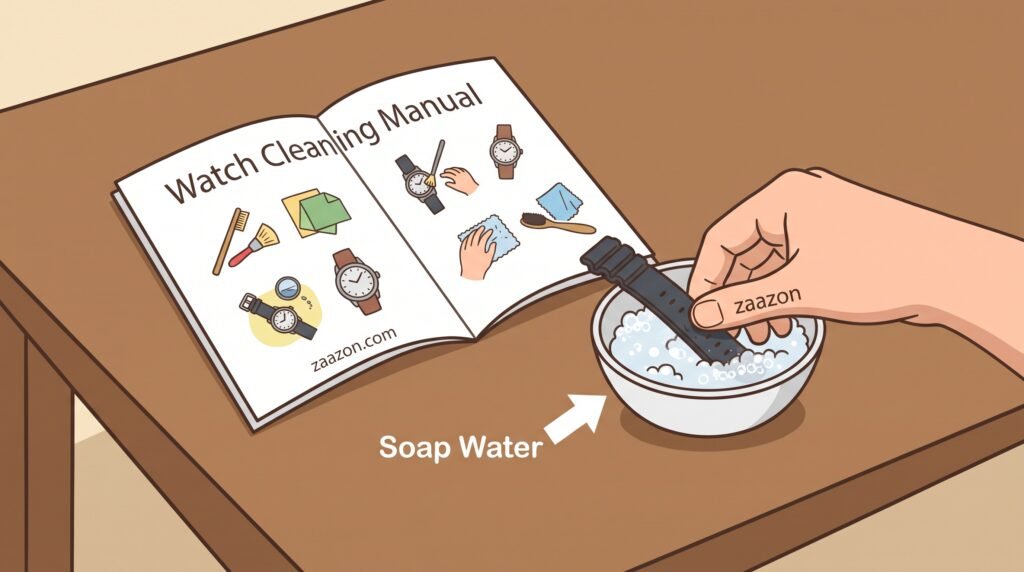
8. Wash Rubber and Silicone Sport Straps Safely
Sport watches frequently feature rubber or silicone bands that absorb sweat and turn sticky during intense workouts. Detach the rubber strap from the watch head to ensure zero water gets near your dial during washing. Unlike leather or metal, pure rubber and silicone can be washed safely in lukewarm water with mild soap. Soak the strap in a small bowl of soapy water for three minutes to loosen sweat stains and gym odors. Gently massage the rubber surface with your fingers or a soft sponge to remove discoloration entirely. Rinse the strap thoroughly under a gentle trickle of tap water, then dry it completely with a towel. Your rubber strap will look vibrant, smell fresh, and feel comfortable on your wrist once again.
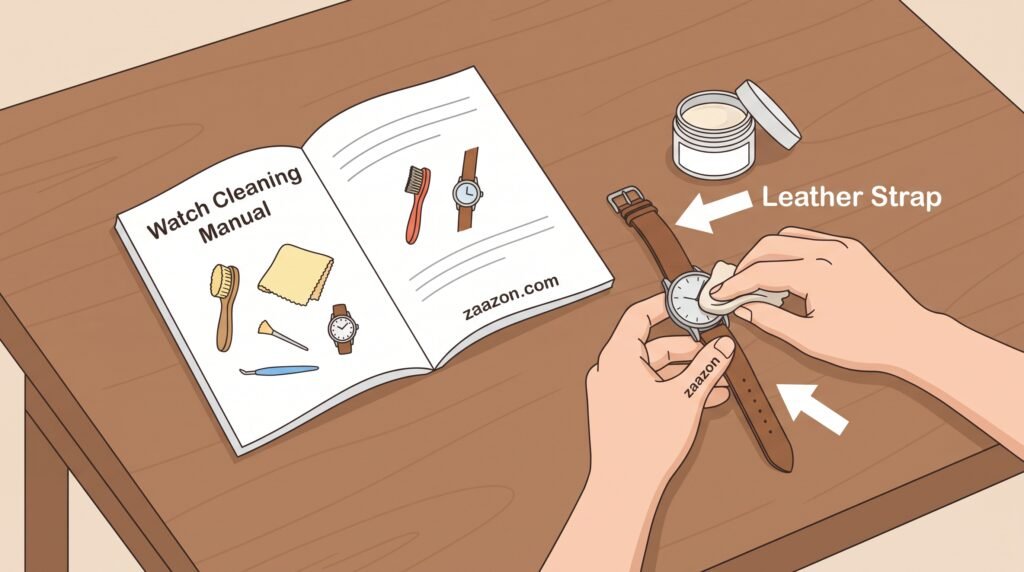
9. Care for Leather Straps Using Dry Conditioning
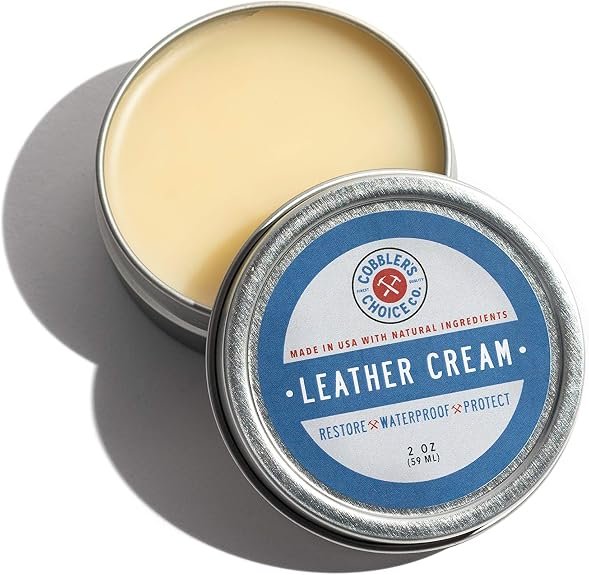
Leather straps are organic materials that act like sponges, meaning water will crack, rot, and ruin them permanently. Never submerge a leather watch strap in water or run it under a tap under any circumstances. Instead, wipe the leather gently with a barely damp cloth to remove surface dust, then let it air dry completely. Apply a tiny dot of natural leather conditioning balm onto a soft rag and rub it in circular motions. Conditioning nourishes the dry leather fibers, restoring their soft texture and rich color without water damage. Let the strap rest in a shaded room away from hot sunlight until the balm absorbs fully. Proper leather care prevents premature cracking and extends the life of your strap for years.
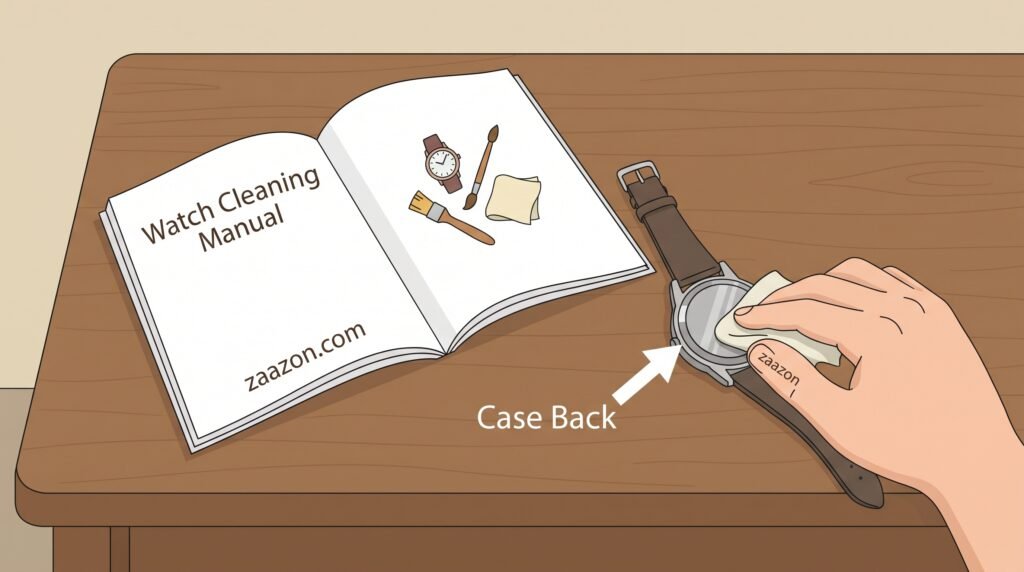
10. Inspect and Wipe Watch Case Backs
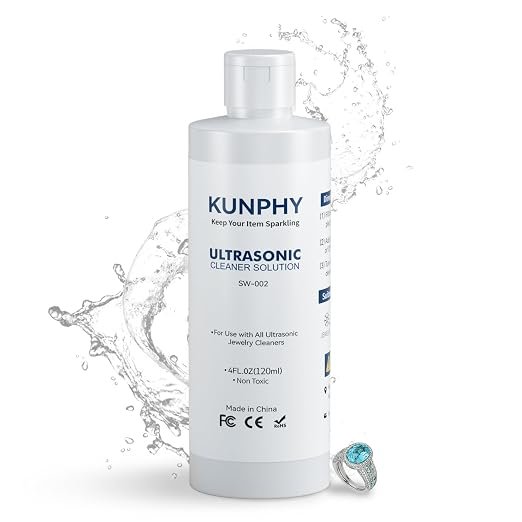
The flat metal back of your watch sits directly against your wrist, accumulating stubborn sweat rings and body oils. Take a clean cloth dampened with a tiny drop of specialized jewelry cleaner and wipe the back cover. Pay close attention to the outer rim where the case back meets the wrist seal, as grime gathers there thickly. Gently clean any engraved text or serial numbers without letting liquid slip into the battery hatch. Once wiped, take a dry towel and buff the metal back until it shines like a mirror. Keeping the case back clean prevents skin irritation and protects the metal from corrosive sweat salts. This step ensures your skin stays healthy and your watch back remains spotless.
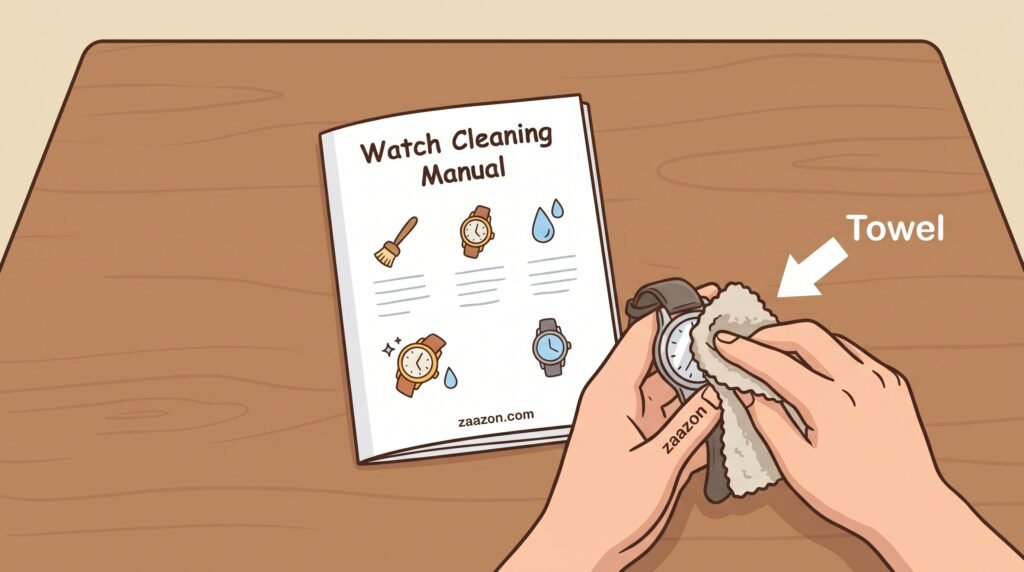
11. Dry Every Crevice Thoroughly with a Towel
Moisture left lingering on a watch after cleaning is the main reason why internal mechanisms fog up and fail. Wrap a clean microfiber towel tightly around your watch case and bracelet, pressing gently to absorb water. Use a sharp corner of the towel to dab inside clasps, buckles, and link hinges where water hides. Never leave a damp watch sitting on a table or put it away inside a closed storage box. Inspect the crystal screen and pushers under good lighting to confirm zero water droplets remain anywhere. Taking extra time during this drying phase guarantees your watch stays completely safe from moisture damage. Patience here protects your investment and ensures 100 percent reliable operation.
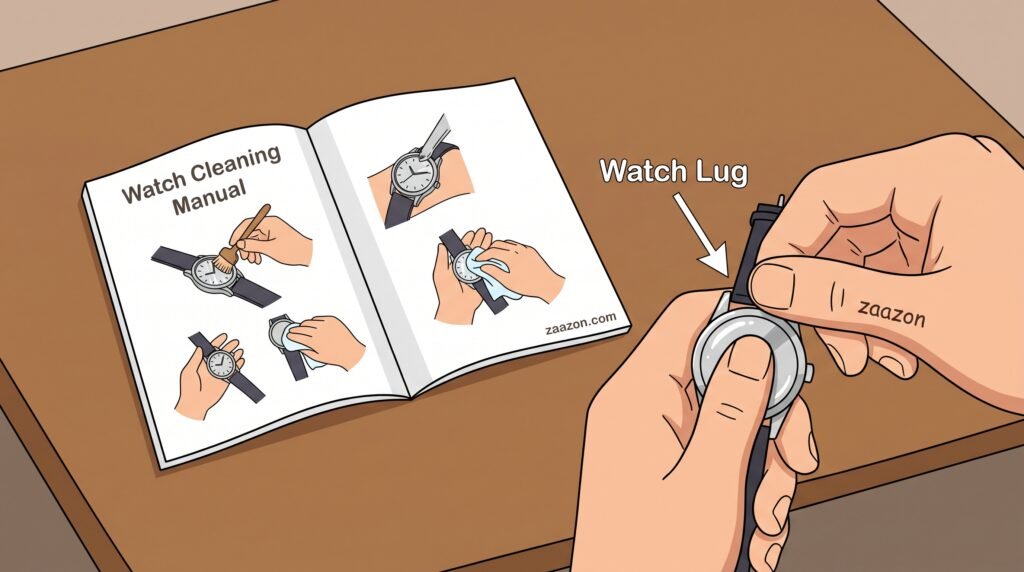
12. Reconnect Your Watch Strap Securely
Once your strap and watch case are completely dry and clean, you can reassemble the timepiece safely. Align the strap ends with the watch lugs, insert the spring pins carefully, and listen for a secure click. Use your spring bar tool to guide one pin end into its tiny hole while holding the other side. Tug gently on the strap after clicking it into place to confirm the spring pins are locked firmly. A secure connection prevents accidental drops that could shatter your watch glass on hard floors. Take steady, calm movements while handling these tiny metal pins to avoid slipping. A properly reconnected strap restores your watch to its polished, wearable condition with total confidence.
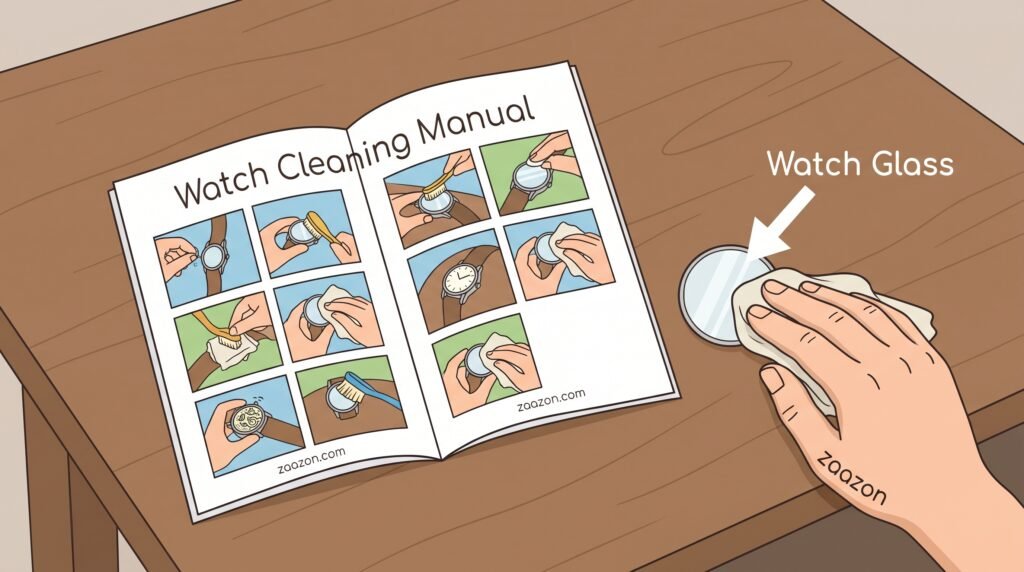
13. Polish Your Watch Glass to a Crystal Shine
A spotless glass crystal makes your entire watch look brand new and ensures easy time reading in sunlight. Buff the front glass screen gently with a clean dry polishing cloth until all smudges disappear. Move your cloth in steady circular motions across the flat surface of the watch face. You will notice fingerprints and smudges vanishing as the crystal becomes brilliantly clear and reflective. Avoid using rough paper towels or tissues, which can leave microscopic scratches on plastic crystals. Stick exclusively to soft microfiber polishing cloths to maintain an immaculate display. This final polish highlights all your hard work and gives your watch a dazzling appearance.
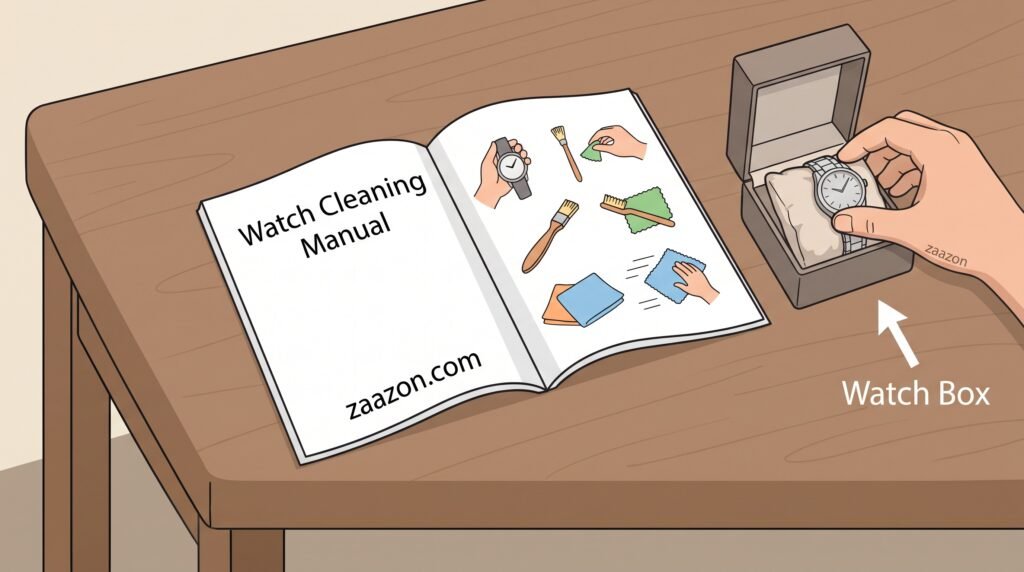
14. Store Your Clean Watch in a Padded Box
Leaving watches exposed on dusty desks or bathroom counters invites accidental scratches and moisture damage. Place your clean watch inside a dedicated velvet-lined watch box or soft protective pouch. A padded storage box cushions your timepiece against bumps and keeps airborne dust away from your clean case. If you live in a humid area, place a small silica gel packet inside the box to absorb stray moisture. Organizing your accessories neatly makes picking your daily watch fast and effortless every morning. Treating your watch with proper storage guarantees it stays pristine and accurate for a long time.
15. Establish a Consistent Maintenance Routine
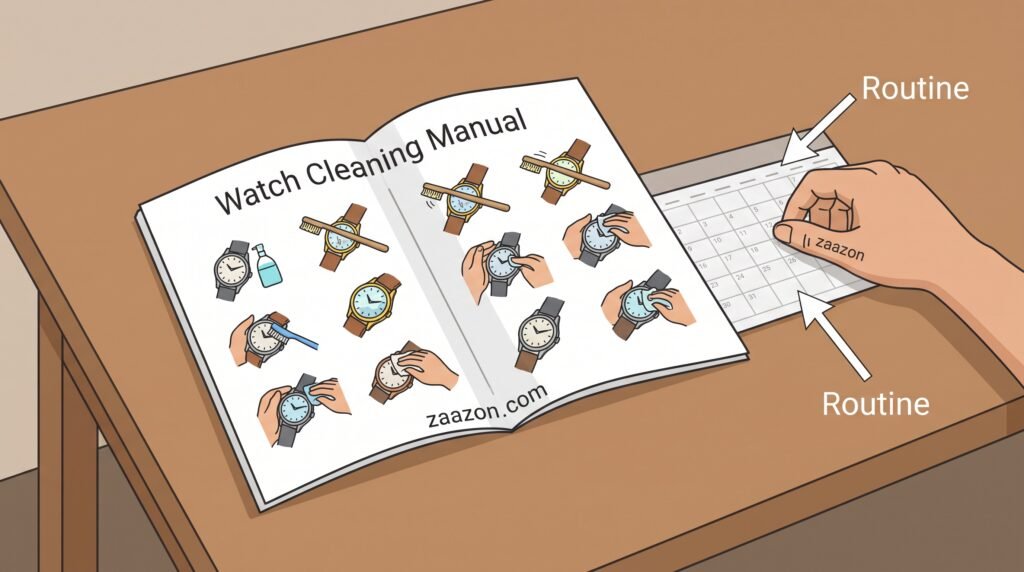
Cleaning your watch on a regular schedule prevents heavy grime buildup and protects your skin from bacteria. Make it a simple habit to give your watch a quick dry wipe every Friday night. Perform a gentle material-specific check once a month depending on whether your strap is steel, rubber, or leather. Consistent upkeep ensures dirt never hardens into stubborn layers, making each cleaning session effortless. Your skin will stay comfortable, fresh, and free from irritation caused by trapped sweat and oils. Embracing this simple routine preserves your watch’s factory finish and ensures it looks professional wherever you go.